• Spring Handle 2CR13 Stainless Steel Cuticle Nipper For Nail Salon,wholesale beauty tools
  • Spring Handle 2CR13 Stainless Steel Cuticle Nipper For Nail Salon,wholesale beauty tools
  • Spring Handle 2CR13 Stainless Steel Cuticle Nipper For Nail Salon,wholesale beauty tools
  • Spring Handle 2CR13 Stainless Steel Cuticle Nipper For Nail Salon,wholesale beauty tools
  • Spring Handle 2CR13 Stainless Steel Cuticle Nipper For Nail Salon,wholesale beauty tools
  • Spring Handle 2CR13 Stainless Steel Cuticle Nipper For Nail Salon,wholesale beauty tools
  • Spring Handle 2CR13 Stainless Steel Cuticle Nipper For Nail Salon,wholesale beauty tools
  • Spring Handle 2CR13 Stainless Steel Cuticle Nipper For Nail Salon,wholesale beauty tools
  • Spring Handle 2CR13 Stainless Steel Cuticle Nipper For Nail Salon,wholesale beauty tools
  • Spring Handle 2CR13 Stainless Steel Cuticle Nipper For Nail Salon,wholesale beauty tools

Spring Handle 2CR13 Stainless Steel Cuticle Nipper For Nail Salon

No.JHNTP010
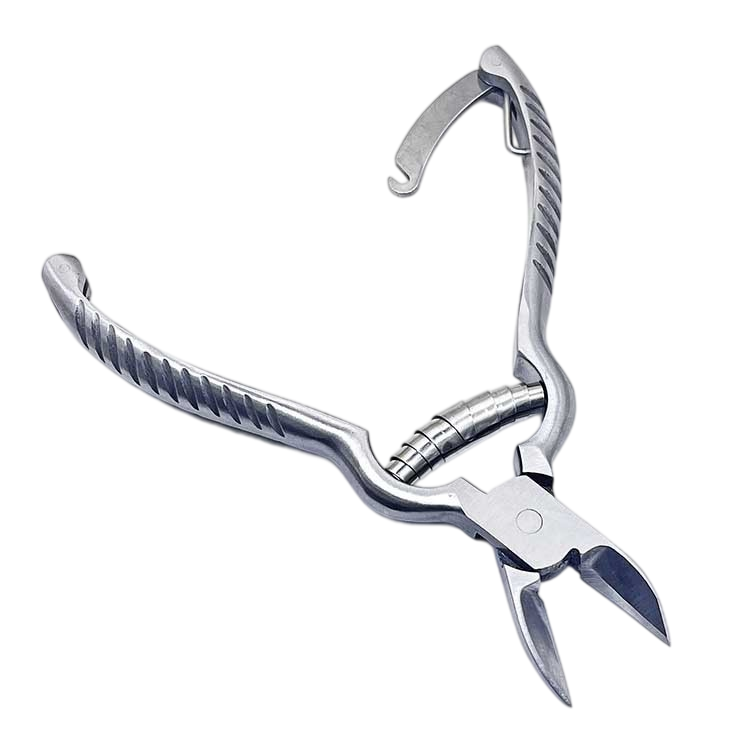
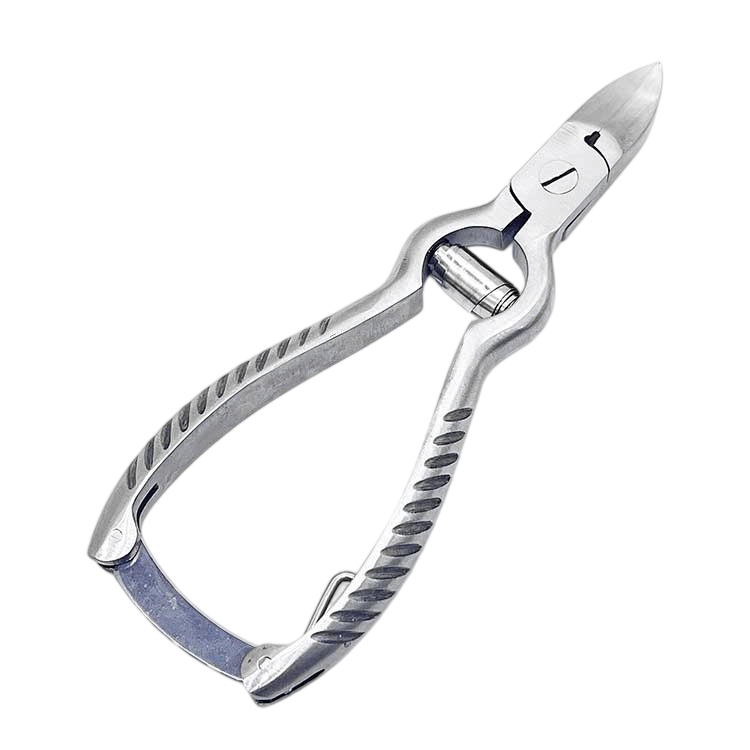
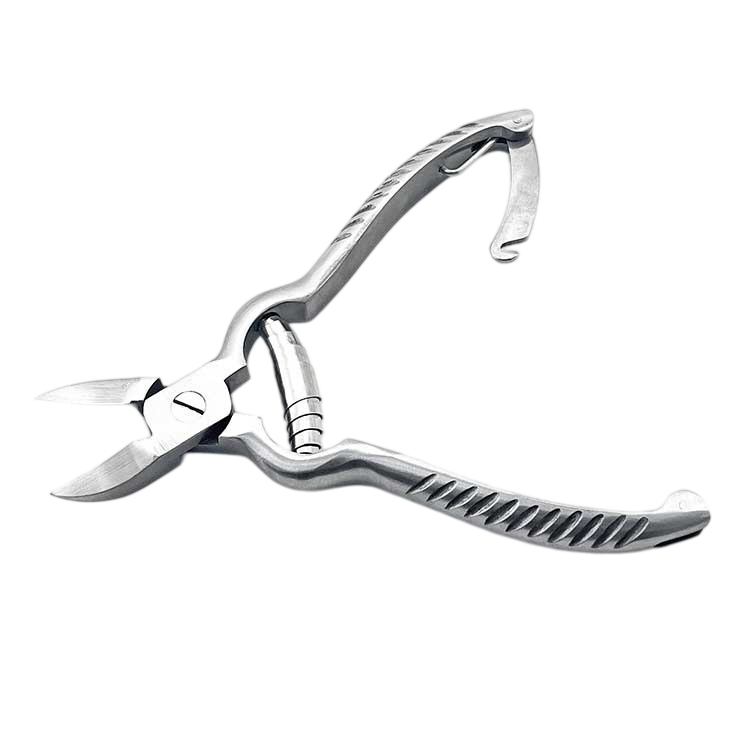
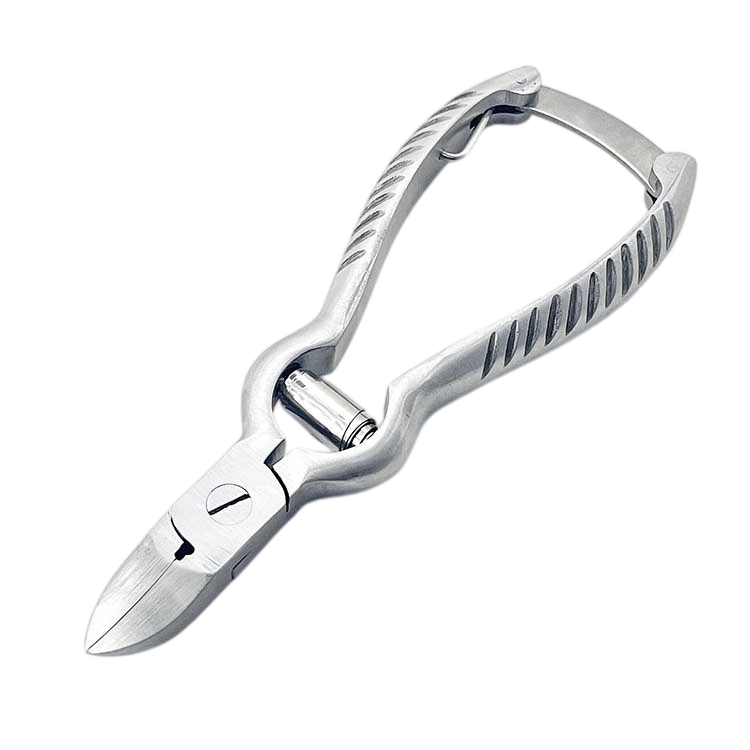
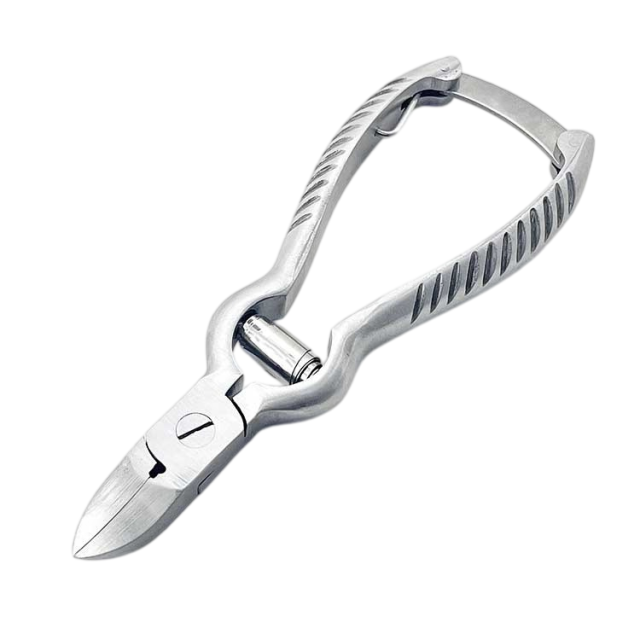
2CR13 stainless steel spring‑type cuticle nipper, sharp blade for cuticle trimming. Durable spring structure, OEM available for bulk nail salon orders.
  • Spring Handle 2CR13 Stainless Steel Cuticle Nipper For Nail Salon,wholesale beauty tools
  • Spring Handle 2CR13 Stainless Steel Cuticle Nipper For Nail Salon,wholesale beauty tools
  • Spring Handle 2CR13 Stainless Steel Cuticle Nipper For Nail Salon,wholesale beauty tools
  • Spring Handle 2CR13 Stainless Steel Cuticle Nipper For Nail Salon,wholesale beauty tools
  • Spring Handle 2CR13 Stainless Steel Cuticle Nipper For Nail Salon,wholesale beauty tools

Description

Product Overview

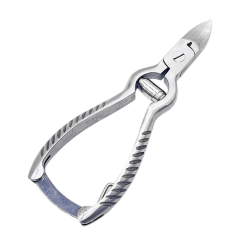
A cuticle nipper only earns its place among professional nail tools if it closes cleanly, client after client. This spring-type model is built for that routine: a 2CR13 stainless steel body, cutting jaws that meet in a precise line, and a spring handle that opens the jaws for you between trims. It handles the trimming step of a manicure — the part that follows softening and pushing back — and it stays steady in the hand through a full column of appointments.

Salons and beauty studios keep several in rotation so a clean tool is always within reach, while nail supply resellers and private-label brands stock it as the cuticle remover tool that sits between the cuticle pusher and the finishing file. Home users who already do their own gel or polish work buy it when they want the control of a professional tool rather than a drugstore trimmer.

Working with a cuticle pusher manufacturer keeps the whole prep sequence — push, trim, finish — available from one supplier, in one order.

Spring Handle & 2CR13 Steel

  • 2CR13 stainless steel jaws — a hard, corrosion-resistant stainless that takes a fine edge and holds it through heavy-frequency trimming. It resists rust and discoloration from daily contact with water, cuticle softener and disinfectant.
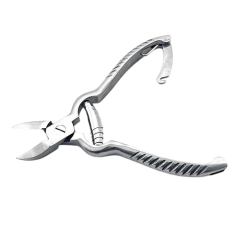
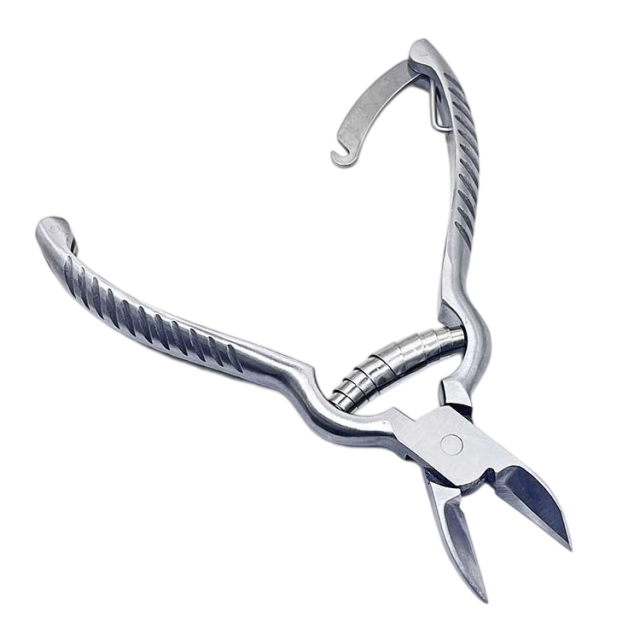
  • Built-in spring action — a spring handle nipper opens its jaws after every cut, so the thumb only does the closing work. Across a long day that shows up as less hand fatigue and a more even trimming rhythm.
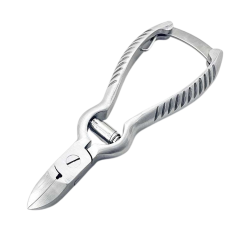
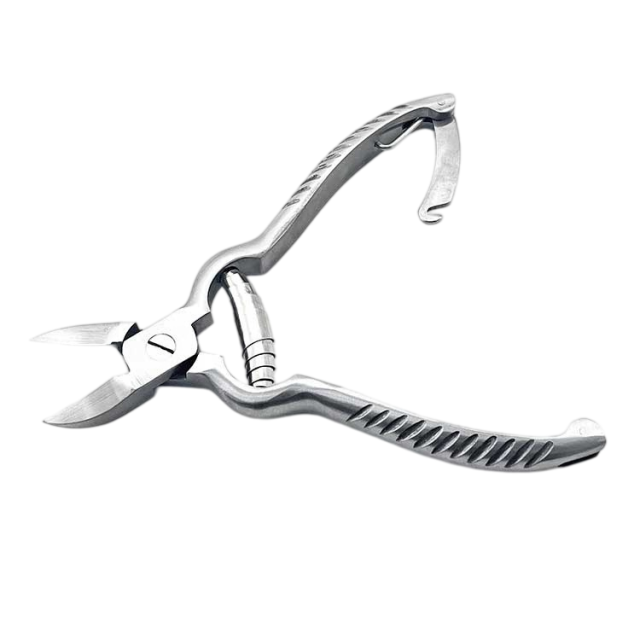
  • Close-cutting jaw line — the two jaws are ground to meet along their full length, so thin cuticle and dead skin are cut cleanly rather than torn. The angled working end keeps the cuticle line visible while you trim.
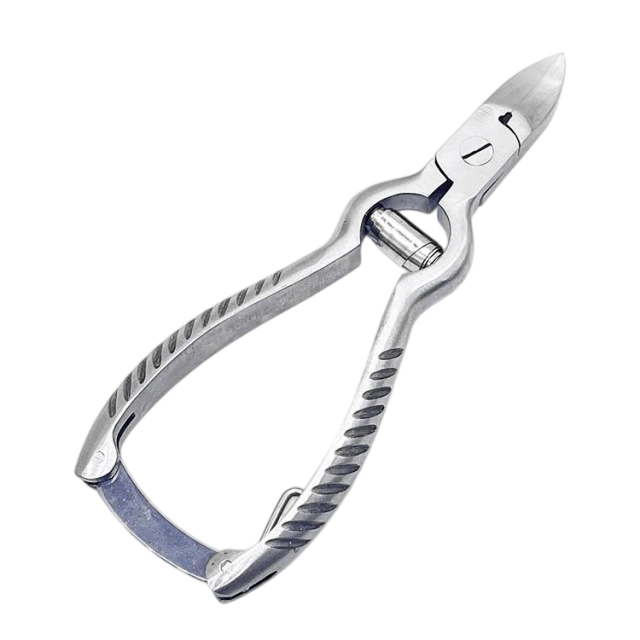
  • Textured anti-slip grip — the handle stays steady even when fingers are slick with cuticle oil, soap or disinfectant. That control matters most on the last pass around the nail wall.
  • Proportioned for control — enough length for leverage and reach across the nail, narrow enough to turn into the corners of the nail wall without the handle blocking your view.
  • A cutting tool, not a scraper — a flat metal cuticle pusher handles the pushing and scraping steps. Keeping those jobs separate is what preserves the cutting edge this nipper was ground for.

Specifications

Product typeSpring-handle cuticle nipper
ModelJHNTP010
Material2CR13 stainless steel
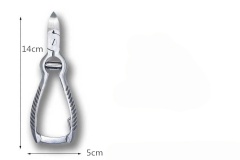
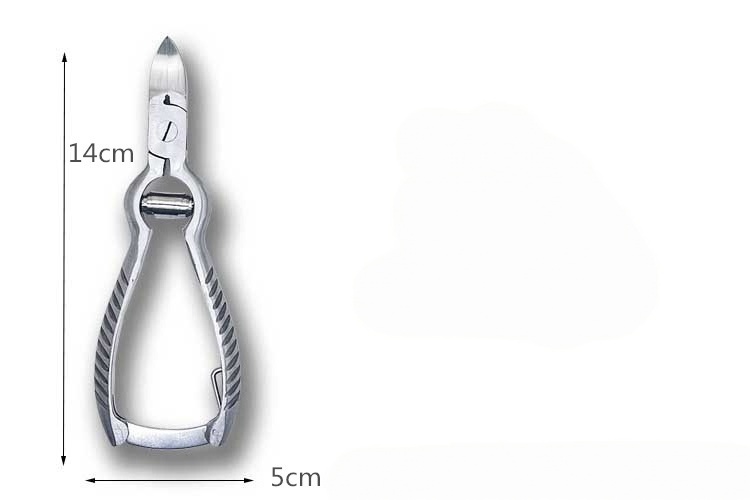
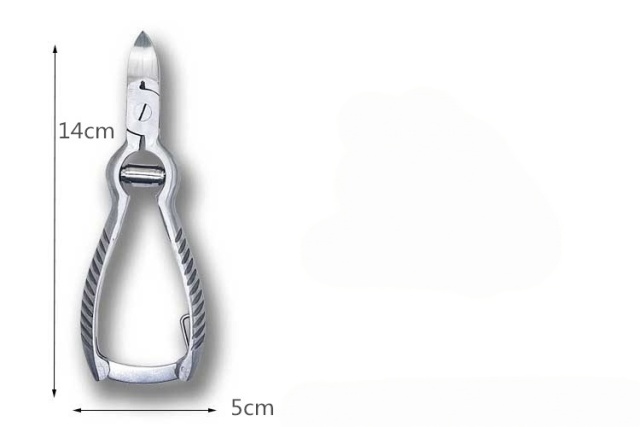
Overall length14 cm
Overall width5 cm
HandleSpring type, textured anti-slip grip
Working endClose-cutting jaws
FinishPolished steel
ColourSilver
CustomizationCustom logo and packaging
Main useCuticle and dead-skin trimming in salons, studios and nail kits

Manicure Workflow

  1. Soften first — apply cuticle softener or soak the fingertips, then dry the nail plate so you can see exactly which tissue you are about to trim.
  2. Push the tissue back — work along the nail wall with a double ended cuticle pusher, lifting the cuticle away from the plate rather than dragging it.
  3. Trim in small passes — with the spring handle nipper, take one thin sliver at a time. Short single cuts are easier to control than one long cut around the curve of the nail.
  4. Check the line before you finish — wipe away debris, look at the nail from the side, and leave any tissue that has not lifted cleanly for the next appointment.
  5. Close the service — file, buff and oil as usual, then set the nipper aside for cleaning before it goes back on the tray beside your other nail tools.

Salon, Studio & Reseller Use

The heaviest user is a full-time nail technician. A busy salon usually keeps several nippers in rotation so each one is cleaned, disinfected and completely dry before it is needed again, and a spring handle nipper is what makes that pace sustainable from the first appointment of the day to the last. Beauty studios and barbershops that have added manicure services buy a pair for the treatment room, and mobile technicians carry one because it takes up almost no space in a kit bag.

Nail supply distributors and e-commerce resellers order on cuticle pusher wholesale terms and build starter kits around it — a pusher, a nipper, a file and a buffer cover most of what a beginner needs. Private-label brands take the same tool with their own logo on the handle and packaging that matches the rest of their line.

At home it suits people who already maintain their own gel or acrylic sets and want the cuticle remover tool a professional would reach for, with a controlled close rather than a spring-loaded guess. It is more tool than a casual user needs, but it is the one that lasts.

Custom Logo & Packaging

  • Logo on the handle — your brand mark can be applied to the handle so the nipper carries your name on the salon tray. Confirm artwork and placement with us before production begins.
  • Wholesale-ready packaging — cuticle pusher wholesale buyers can discuss presentation boxes, pouches or simple protective sleeves with their sales contact; the right format depends on whether you sell from a shelf, inside a kit or through a web store.
  • Private-label lines — if you are building a full nail range, we work as a cuticle pusher manufacturer and can brand this nipper to sit alongside your pushers, files and buffers.
  • Samples before you commit — ask your sales contact about sample availability so you can check spring tension, jaw alignment and finish in your own hands first.
  • Artwork locked before production — once production starts, logo and packaging changes cannot be made, so approve every detail in writing beforehand.

Care & Maintenance

  1. Wipe the jaws straight after each client — a fresh alcohol wipe lifts cuticle debris before it dries into the hinge.
  2. Wash in warm water with a mild soap, then dry every part thoroughly — moisture left around the pivot is what starts rust spots, even on stainless steel.
  3. Add a drop of mineral oil to the spring pivot every few weeks — it keeps the rebound smooth and stops the handle from squeaking mid-appointment.
  4. Store it closed and dry — in a pouch or its own compartment, not loose in a drawer with files, buffers and other nail tools that can chip the jaw tips.
  5. Keep it to its own job — a metal cuticle pusher is the tool for scraping the nail plate, and the nipper is not a pry bar for lifting cured gel or acrylic.
  6. Retire it when the jaws stop meeting cleanly — a cuticle remover tool that tears instead of cuts will damage the nail wall, so replace it rather than force it.

Ordering & Delivery

Minimum orderFlexible MOQ, small orders acceptable
SamplesAvailable for quality inspection — ask your sales contact
Mixed itemsAccepted across the range — send your product list
Custom logo and packagingConfirmed per order before production
Payment termsConfirmed with your sales contact
Packing and shippingConfirmed with your sales contact against your destination
Order processingGenerally 3-7 working days after payment confirmation for stock items
Custom ordersAdditional production time; exact lead time confirmed before the order is placed

Supply Chain & Delivery Assurance

We act as your sourcing and consolidation partner in China, coordinating a working network of suppliers so a full order of nail salon supplies can be built in one place instead of across several vendors. Share your target price, logo and packaging requirements, and we match each item to the right supplier, arrange pre-production samples in around 5–7 days, and inspect goods batch by batch before shipment. Small trial orders are welcome, and we take care of consolidation, export documents and delivery, answering every inquiry within 24 hours.

FAQ

Q1. Does the nipper need any adjustment before the first use?

No. The jaws are aligned and the spring is set before packing, so it is ready to work after a quick wipe with alcohol. Close it once and check that the two jaw edges meet evenly along their full length, and that the spring opens them completely each time. If anything looks out of line on arrival, tell us before the tool goes into service.

Q2. Can I use it to lift gel polish or acrylic instead of soaking?

No — keep the jaws for trimming thin, lifted cuticle and dead skin. Cured gel or acrylic has to be soaked and lifted away first, usually with a double ended cuticle pusher. Prying product with the nipper dulls the cutting edge and knocks the two jaws out of line.

Q3. How does it compare with your full-jaw cuticle nipper?

The full-jaw model has a wider jaw and suits larger areas of thicker tissue. This spring-handle nipper is shaped for tighter work along the cuticle line, and its built-in spring takes over the opening stroke, which is easier on the thumb across a long appointment. Many salons keep both and pick by the size of the area in front of them.

Q4. What should I do if the jaws stop closing cleanly?

Clean and oil the pivot first — dried product or cuticle debris in the hinge is the usual cause, and a drop of mineral oil often brings both the spring and the jaw action back. If the jaws still do not meet after that, stop using the nipper. Send us a close-up photo and we will advise on whether it can be corrected or should be replaced.

Q5. Can the cutting edge be sharpened once it dulls?

A nipper edge is ground on an angled bevel, so it is not something to touch up at home with a file or a sharpening stone — that usually leaves the jaws meeting unevenly. 2CR13 holds its edge well under normal salon rotation and proper cleaning; when a nipper starts pulling at tissue instead of cutting it, replace it. Talk to us if you are unsure whether a tool is worn or simply out of alignment.

Leave a message
Name
Email *
Message